7 Essential Steps to Understand Rug Pull in Crypto and Meme Coins
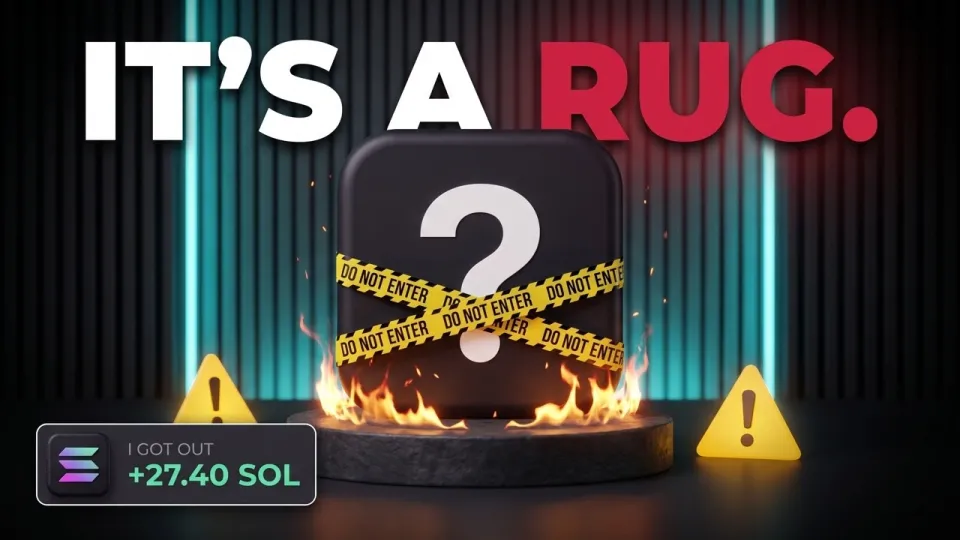
· based on the channel The Jequiz
Rug pull is a deceptive practice in the cryptocurrency world where developers or insiders suddenly withdraw liquidity from a token’s market, causing its price to collapse and leaving investors with worthless coins. This phenomenon is particularly common in meme coins and new tokens launched on fast-growing blockchains like Solana. Understanding how rug pulls occur, especially in the context of Solana meme coins, is critical for both developers and investors to avoid significant losses.
What is a Rug Pull and How It Happens
A rug pull is essentially a scam where the token’s liquidity pool is drained by the creators, preventing any further trading or causing the price to plummet. On Solana, meme coins are often launched quickly using simple token creation tools and liquidity is added to decentralized exchanges such as Raydium or pump.fun. The creators then control the liquidity pool tokens and, at an opportune moment, remove them.
This leaves investors holding tokens that cannot be sold or are worth almost nothing. Key technical factors involve the token’s supply control, liquidity locking mechanisms, and authority keys that allow developers to manipulate or withdraw funds.
How to Launch a Solana Meme Coin and Its Role in Rug Pulls
Launching a meme coin on Solana involves several steps:
- Creating the token with a fixed or dynamic supply using tools like rugmemes.net.
- Setting the token authorities which control minting and freezing rights.
- Adding liquidity to decentralized exchanges such as pump.fun or Raydium.
- Promoting the token to generate hype and attract buyers.
Because the creators control the liquidity pool tokens, they hold the power to rug pull by removing liquidity at any time. Understanding this process is crucial for investors to identify potential risks early.
Common Rug Pull Patterns and Red Flags in Meme Coin Trading
There are several warning signs that may indicate a rug pull is imminent:
- Liquidity not locked: If liquidity pool tokens are not locked in a smart contract or time-locked, developers can remove liquidity instantly.
- High developer authority: Developers retaining minting or freezing authority can manipulate token supply or freeze transactions.
- Unrealistic price pumps: Sudden and sharp price increases without fundamental reasons often precede rug pulls.
- Fake trading volume: Bots or coordinated buys create artificial volume to lure investors.
- Anonymous developers: Lack of transparency or communication from the team adds risk.
Traders should always verify these conditions before investing.
How Liquidity and Token Price Manipulation Work
Liquidity on decentralized exchanges represents the pool of tokens and paired assets like SOL or USDC used for trading. Developers can manipulate this liquidity by:
- Adding liquidity initially to create a market.
- Pumping the token price by buying tokens themselves or using bots.
- Removing liquidity tokens from the pool, which locks or crashes the market.
This manipulation affects token prices drastically and quickly, often trapping uninformed investors.
Essential Security Checks Before Investing in New Tokens
To reduce the risk of falling victim to a rug pull, investors should perform these checks:
- Verify liquidity lock status: Use tools or explorers to confirm if liquidity pool tokens are locked.
- Check token authorities: Confirm if developer keys have minting or freezing rights.
- Review token supply: Be wary of tokens with unlimited or increasing supply.
- Analyze trading volume and price history: Look for unnatural spikes or patterns.
- Research the team and project: Transparency improves trustworthiness.
These steps help identify safer projects and avoid scams.
Common Questions About Rug Pulls and Meme Coin Trading
Many traders wonder about potential profits and risks. Viewers have reported making returns like 17% quickly but also losing everything when the rug is pulled. Understanding how to detect red flags and the mechanics behind rug pulls is important to balance opportunity and risk.
Summary
Rug pulls remain a prevalent risk in the fast-moving world of Solana meme coins and crypto trading. By knowing the 7 essential steps—understanding what rug pulls are, how meme coins are launched, recognizing common scam patterns, and performing diligent security checks—investors can better protect their funds. The Jequiz channel provides a thorough breakdown of these dynamics, helping developers and traders navigate this risky space with more confidence and caution.
Key takeaways
- Rug pull is a crypto scam where developers withdraw liquidity suddenly, crashing the token price.
- Solana meme coins can be launched via platforms like pump.fun and Raydium with easy token creation tools.
- Common rug pull patterns include liquidity removal, fake trading volume, and authority manipulation.
- Investors must check token supply, liquidity lock status, and authority permissions before investing.
- Recognizing rug pull red flags helps traders avoid losses and make safer decisions in volatile markets.
Source: Rug Pull | How To Launch a Solana Meme Coin in 2026 (Real Results) · Markdown version
Questions & answers
What exactly is a rug pull in the context of meme coins?
A rug pull is a scam where developers or insiders remove liquidity from a token’s market suddenly, causing the token price to crash and leaving investors with worthless coins.
How can I tell if a Solana meme coin might be a rug pull?
Look for red flags like unlocked liquidity, high developer control over minting, unrealistic price pumps, fake trading volume, and anonymous teams before investing.
Is it possible to make profits from meme coins without getting rug pulled?
Yes, some traders make profits by timing entry and exit carefully, but it requires thorough research and risk management as many meme coins are high-risk and prone to scams.
What security checks should I perform before investing in new tokens?
Verify if liquidity is locked, check token authority permissions, analyze supply and trading history, and research the project team to minimize risk of rug pulls.